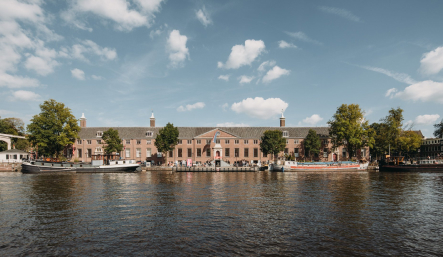











Exhibition - H'ART Museum
Chez Matisse – Masterpieces from Centre Pompidou
Coming this fall to H’ART Museum: Henri Matisse (1869-1954), one of the great pioneers of modern art. Known for his bold use of color and his iconic paper cut-outs, Matisse spent his entire life searching for the perfect balance between simplicity, form, and expression.
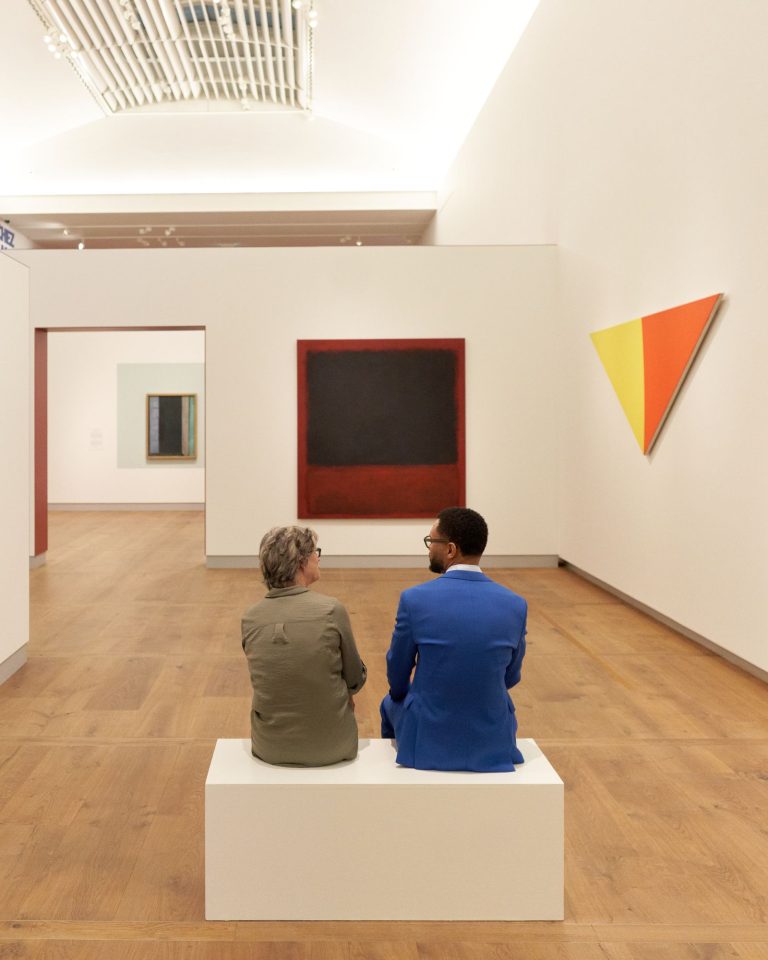
Chez Matisse – Masterpieces from Centre Pompidou brings together more than eighty works of art. Alongside an extensive selection of works by Matisse, visitors will also encounter art by his contemporaries and later artists inspired by his legacy, including Mark Rothko, Barnett Newman, and Pablo Picasso.
This exhibition was organized in collaboration with Centre Pompidou, home to one of the world’s most important collections of works by Matisse.
CJP/Student + surcharge: € 18.50
Uitpas + surcharge: € 18.50
Museum Pass + surcharge: € 7
I amsterdam City Card/Go City + surcharge: € 7
Free for: Youth (up to 17 years), VriendenLoterij VIP-KAART, Stadspas & ICOM.
H'ART Museum Members always enjoy free entrance and do not need to reserve a time slot.
Please note: a surcharge applies to this exhibition. Click here to read more
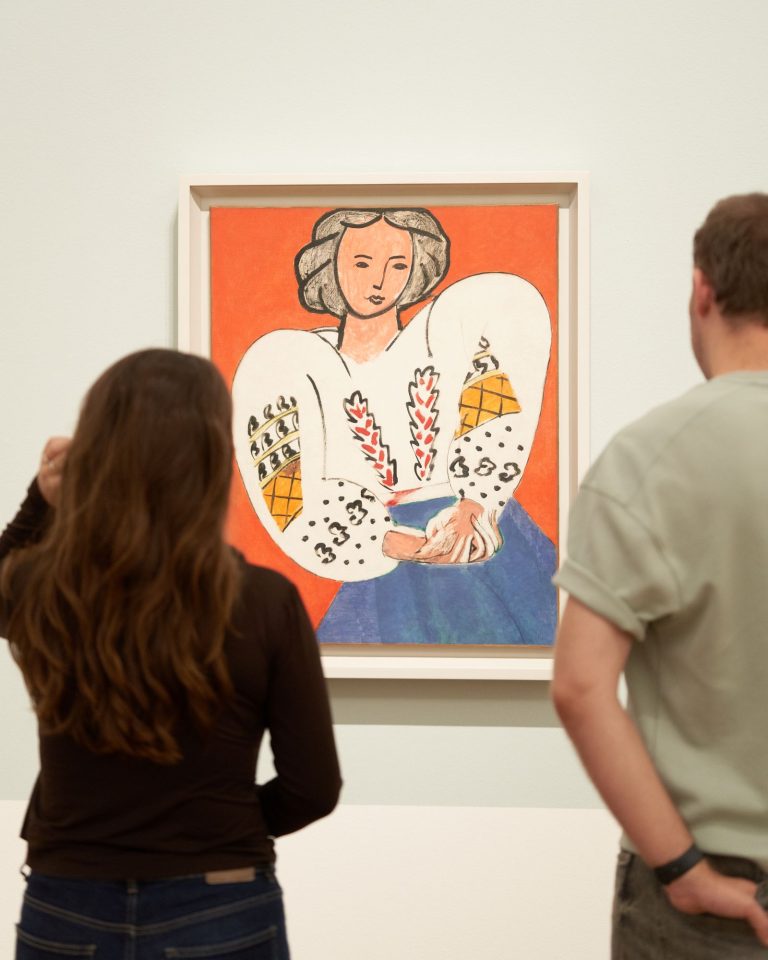
A rare masterpiece on view: La Blouse roumaine
The exhibition features an exceptional loan: La Blouse roumaine, a landmark work that rarely leaves Centre Pompidou. Matisse painted the work in April 1940, on the eve of World War II. The painting brings together several motifs that he would continue to develop throughout his later career and that would go on to inspire generations of artists who followed.
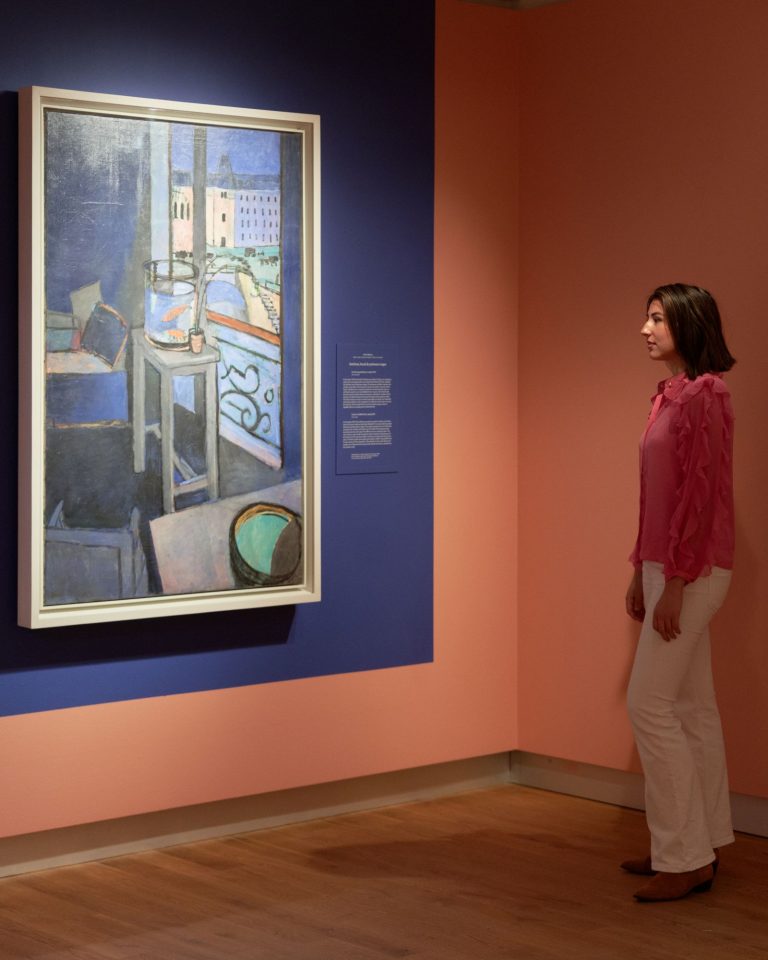
The window
Throughout Matisse’s work, the window often serves as a transition between inside and outside, between reality and painting. It functions as a metaphor for looking, light, color, and imagination.
As a visitor, you experience this quite literally through the recurring motifs of windows and light in Matisse’s art. But there is also a symbolic dimension. You are constantly shifting between looking through, at, and into the window, moving from enclosure toward openness.
The window has served as my link to the outside world
Henri Matisse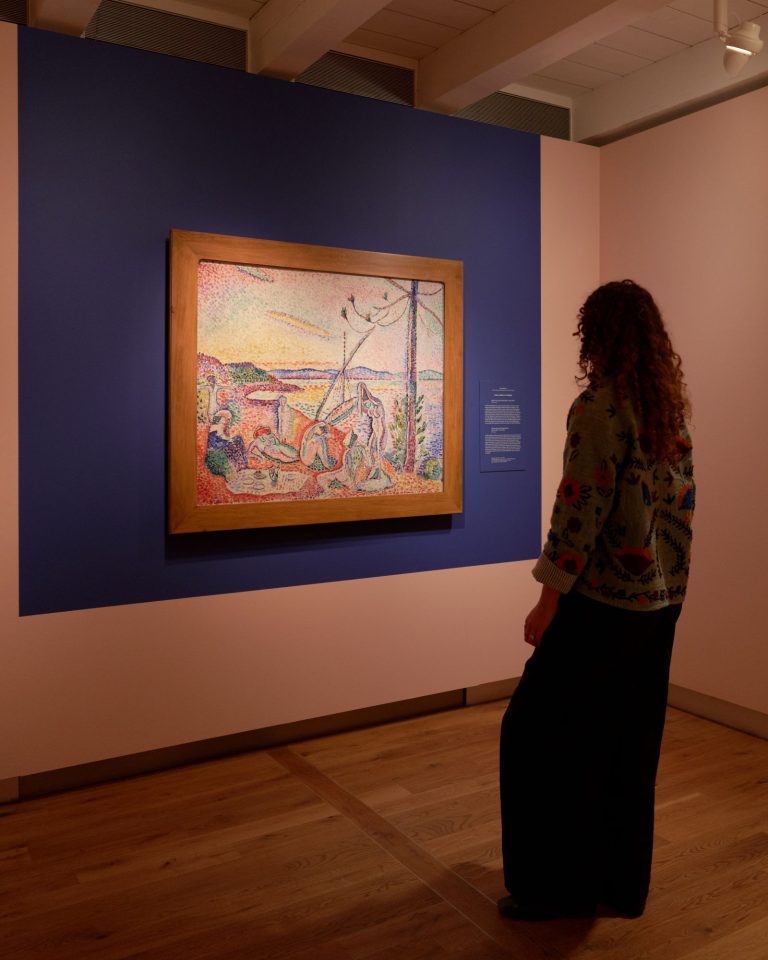
Search for color & form
This exhibition is the perfect introduction to Henri Matisse. The French artist reinvented painting through his bold and expressive use of color.
Chez Matisse traces the remarkable evolution of his oeuvre, revealing how groundbreaking artistic innovations went hand in hand with his personal and creative journey.
Discovery, dialogue & influence
The exhibition also highlights the influence and exchange between Matisse and his contemporaries. Long after his death, his work continues to inspire artists around the world. From contemporaries such as Pierre Bonnard (1867–1947) and Le Corbusier (1887–1965) to leading figures including Mark Rothko (1903–1970) and Pablo Picasso (1881–1973), Matisse’s artistic legacy remains profoundly influential.